[Lead: one paragraph on the choice canal homeowners face when they need guest space, and what this guide compares.]
The short answer
[Two or three sentences comparing the two honestly: when a granny flat is the right call, and when a floating studio is.]
Number
Reason
Granny flat
Driftroom Studio
01
Where it goes
Takes up backyard, lawn or pool space
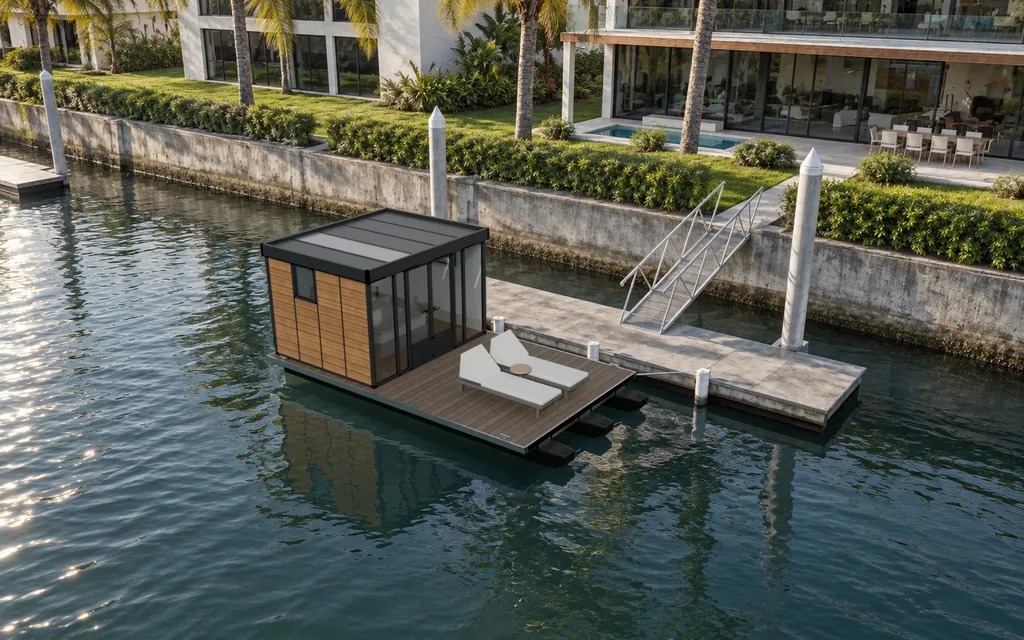
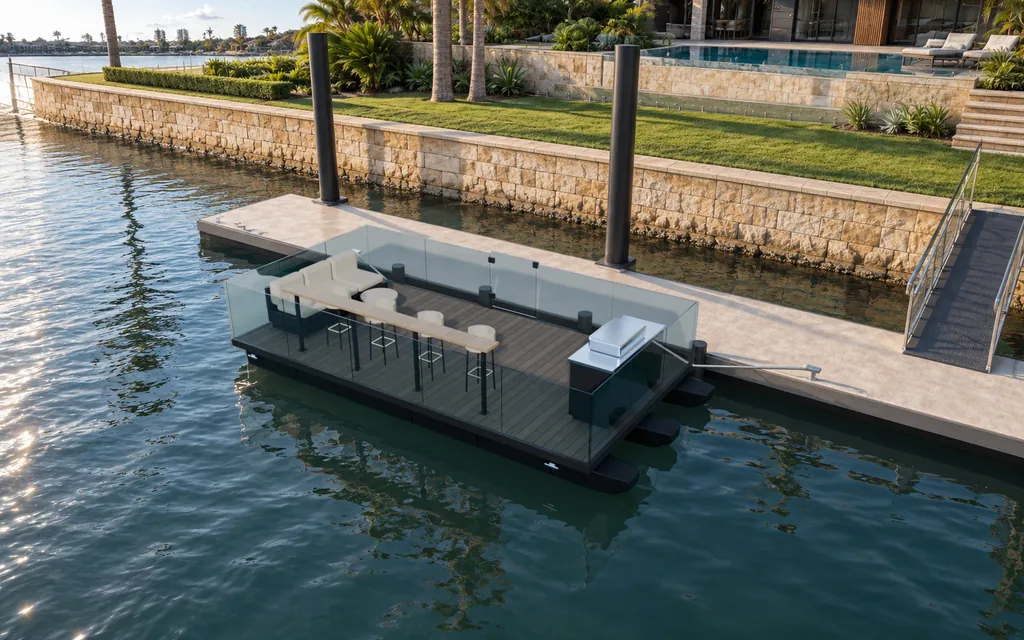
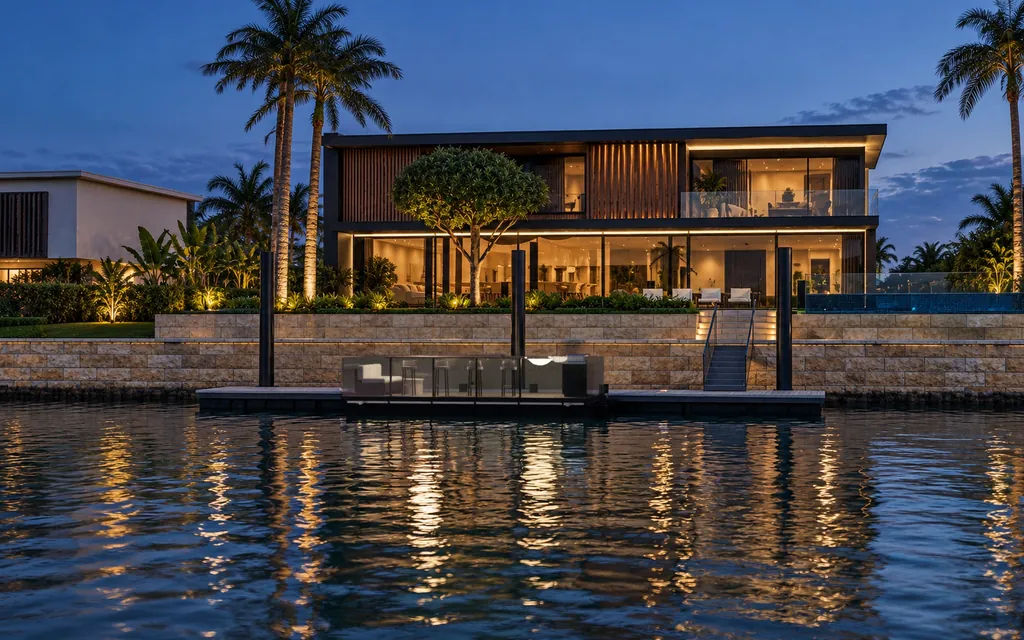
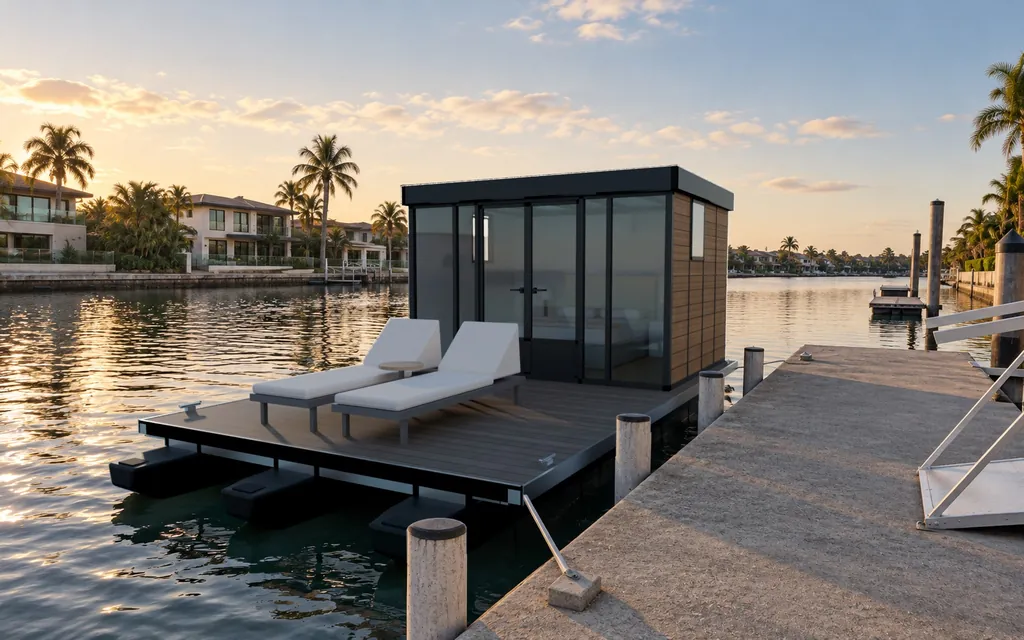
Uses the water beside your pontoon. Your backyard stays as it is.
02
Building approval
Needs building approval and certification
A plated vessel, not a building on your land: no building application for the Studio* Waterway and mooring rules still apply.
03
Work at your home
Months of builders, trucks and noise on site
Zero construction. It arrives finished and is towed into place.
04
Site works
Slab or footings, drainage and service connections
No slab, no digging. Moored with lines and fenders.
05
Time to first guest
Usually months from design to handover
Ready for guests [X] days after you order
06
Moving house
Fixed to the land and stays behind
Include it in the sale, or tow it to your next waterfront home
07
The view
Usually looks onto the yard or a fence
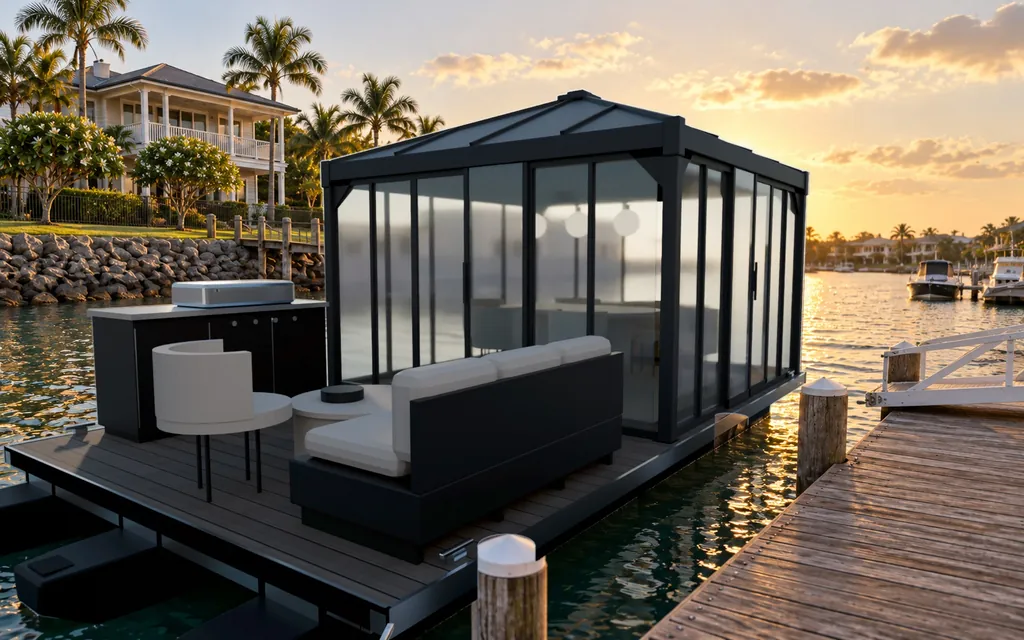
Water views from the bed, through a full glass front
08
Outdoor space
Usually a small patio
A private deck on the water for morning coffee, sunsets and fishing
09
Your boat
No effect on mooring
Your boat can moor on its outer side, so you keep a berth
10
Peace of mind
Builder’s warranty, no way to return it
[X]-year warranty plus a [X]-day money-back guarantee
01Where it goes
Granny flat
Takes up backyard, lawn or pool spaceDriftroom Studio
Uses the water beside your pontoon. Your backyard stays as it is.02Building approval
Granny flat
Needs building approval and certificationDriftroom Studio
A plated vessel, not a building on your land: no building application for the Studio* Waterway and mooring rules still apply.03Work at your home
Granny flat
Months of builders, trucks and noise on siteDriftroom Studio
Zero construction. It arrives finished and is towed into place.04Site works
Granny flat
Slab or footings, drainage and service connectionsDriftroom Studio
No slab, no digging. Moored with lines and fenders.05Time to first guest
Granny flat
Usually months from design to handoverDriftroom Studio
Ready for guests [X] days after you order06Moving house
Granny flat
Fixed to the land and stays behindDriftroom Studio
Include it in the sale, or tow it to your next waterfront home07The view
Granny flat
Usually looks onto the yard or a fenceDriftroom Studio
Water views from the bed, through a full glass front08Outdoor space
Granny flat
Usually a small patioDriftroom Studio
A private deck on the water for morning coffee, sunsets and fishing09Your boat
Granny flat
No effect on mooringDriftroom Studio
Your boat can moor on its outer side, so you keep a berth10Peace of mind
Granny flat
Builder’s warranty, no way to return itDriftroom Studio
[X]-year warranty plus a [X]-day money-back guaranteeCost
[Body text with sourced figures and links.]
Would a Studio fit at your place?
Time and disruption
[Body text.]
Approvals
[Body text. Waterway and mooring rules still apply to a Driftroom; we check each berth.]
Sources
[Linked sources for every figure above.]